

Beach Safety
Knowing the NT coastline
The NT's beautiful coastline is a fantastic place to enjoy with family and friends, however, not all beach users are aware of the potential dangers they may encounter. The size of the tides, unpredictable rips and gutters, as well as dangerous marine creatures can all pose a risk for beach users.
The NT has over 10,000 km of coastline and 1,488 beaches. More than 200 of these beaches are classified as 'surf beaches' but are mainly located on the east coast of Arnhem land. However, they are becoming increasingly popular with school community groups and tourism operators.
Many NT beaches are characterised by strong tidal currents with shallow, low tide terrace structures and inshore rocks and reefs. Shallow inshore areas often have high levels of suspended silt which hides the bottom — so be careful when entering the water, no diving!
Understanding the ocean is very important. The more you know about how waves, wind and tides affect conditions in the water, the safer you will be and the better equipped you will be to keep others safe from danger. Recognising danger signs, and awareness of open water conditions, is an essential part of keeping yourself safe.
Swimming in the NT
ALWAYS SWIM BETWEEN THE RED AND YELLOW FLAGS
Beach swimming in the Northern Territory should be undertaken in the dry season months of June, July, August and September.
When you see red and yellow flags on a beach, it indicates that there is currently a lifesaving service operating on that beach. The lifesavers have chosen a section of the beach that is best for swimming and they will closely supervise this area. Lifesavers pay more attention to the area between the red and yellow flags than any other part of the beach.
How else can I enjoy the beach safely?
Cover up
Consider protective clothing (long sleeved tops with shorts or a sunsuit) as stings have occurred in all months of the year.
Supervise children
At any beach or aquatic environment, children must be supervised and within arms reach both in and around the water's edge.
Slip, Slop, Slap, Seek and Slide
To protect yourself from the sun, and always remember to stay hydrated. All beach goers are encouraged to talk to the lifesavers or lifeguards on duty about local conditions and beach safety before entering the water.
Get to know the Beach
Are you going to the beach?
Want to find out more about coastal safety?
Marine creatures & hazards
The Northern Territory's coastline is unlike anywhere else in Australia. Its vast wetlands, mangroves, and tidal zones are home to a range of beautiful — and potentially dangerous — marine creatures.
The NT experiences tidal movements ranging from 1.5 to 8 metres. As the tide retreats, rips and sweeps can form without visual warning, and various species of marine creatures may become exposed in shallow areas. Being aware of these hazards is an important part of staying safe in NT waters.
Crocodiles
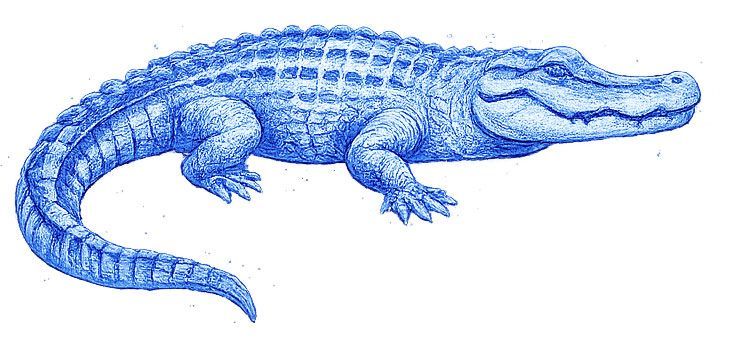
In Darwin, swimming at Mindil Beach, Nightcliff Beach, or Casuarina Beach when lifeguards and lifesavers are on duty is strongly recommended. There has not been a fatal crocodile attack at these patrolled beaches in over 130 years. SLSNT lifesavers are experienced in crocodile risk management and will advise beach users accordingly.
If you are visiting an unpatrolled beach, follow the advice of the NT Government's Parks & Wildlife Service before entering the water.
Box Jellyfish (Chironex fleckeri)
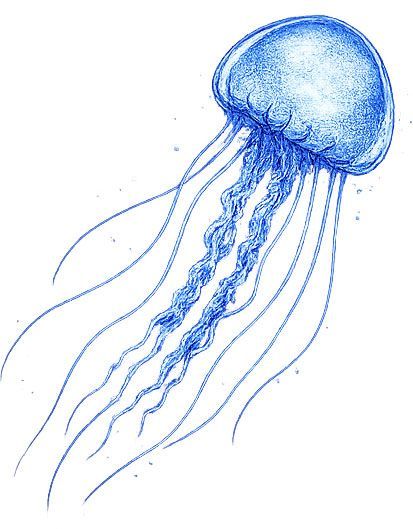
Box jellyfish are identified by the box-like shape of their bell. They are often transparent or slightly blue in colour, with around 15 tentacles extending from each of the four corners of the bell — tentacles that can grow up to 2 m in length. Box jellyfish are venomous, breed in shallow water, and swarm during the wet season. Their sting is extremely painful and can be life-threatening.
Irukandji
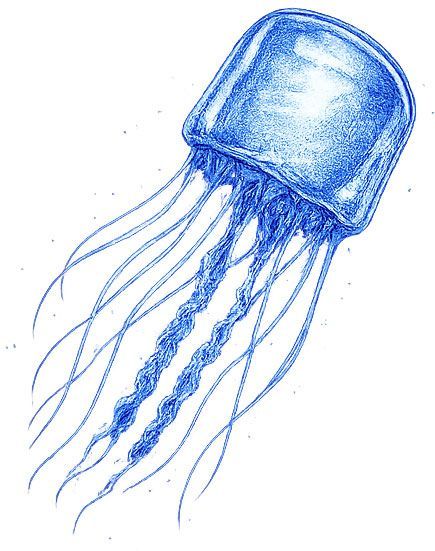
Irukandji are small, near-invisible jellyfish with a sting that can cause serious medical emergencies. Symptoms develop rapidly and may include agitation, confusion, and loss of consciousness, followed by respiratory failure and/or cardiac arrest. Immediate first aid is critical — CPR may be required. Victims typically require hospitalisation and strong pain management.